


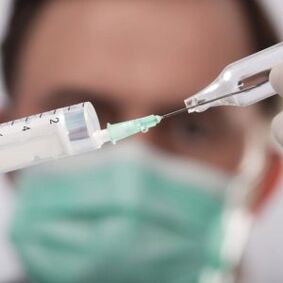
Treatment of the papillomavirus is a comprehensive method of eliminating the symptoms and causes of the infection using surgical and therapeutic methods.Benign tumors - papillomas - can occur in different parts of the body or on mucous membranes.Most often, such formations are harmless, but there are situations when their removal is necessary to prevent the formation from degenerating into an oncological tumor.Therefore, it is very important to treat HPV correctly, following all the recommendations of traditional medicine.
Drug therapy
Papillomavirus cannot be completely cured in a short period of time.To solve the problem, it is important to use antiviral and immunomodulating drugs that prevent the spread of the disease and the formation of malignant tumors.All drugs are prescribed to patients in the form of tablets, injections or suppositories after diagnosis.
For the treatment of papillomavirus, drugs belonging to the group of immunostimulants, antiviral drugs, homeopathy, tumor-killing drugs and cytotoxic drugs are used.The first 3 groups of drugs can be in different forms (tablets, injections, etc.) and are used to combat the cause of the disease, and the last 2 groups are used to gradually remove the formed formations.
The purpose of using immunostimulants is to strengthen and activate the body's defense functions, promoting the synthesis of antibodies against viruses and infections.If immunostimulants are used together with antiviral drugs, the effect of the latter will be multiplied.
The effectiveness of immunomodulators used in the treatment of HPV depends on the individual reactions of the patient's body and the treatment complex of which they are an integral part.But in most cases, with a pronounced clinical picture of the papillomavirus and the use of immunomodulators, the disease becomes regressive and may even disappear completely.
| Active ingredient | Pharmaceutical group |
|---|---|
| Taurine, benzocaine, interferon | Antimicrobial and antiparasitic agents.Antiviral drugs.Interferons |
| Interferon | Antimicrobial and antiparasitic agents.Antiviral drugs.Interferons |
| Echinacea purpurea juice | Medicines that correct immune processes.Medicines that stimulate immune processes |
| Affinity-purified antibodies against human gamma interferon | Homeopathic medicines |
| Lyophilized lysate of bacteria: Streptococcus pneumoniae, Haemophilus influenzae, Klebsiella pneumoniae, Klebsiella ozaenae, Staphylococcus aureus, Streptococcus viridans, Streptococcus pyogenes, Moraxella catarrhalis. | Medicines that correct immune processes.Medicines that stimulate immune processes |
| Affinity-purified antibodies against human interferon gamma, affinity-purified antibodies against histamine, affinity-purified antibodies against CD4 | Antiviral agent, antihistamine |
| Sodium deoxyribonucleate | Medicines that correct immune processes.Medicines that stimulate immune processes |
| Human gamma interferon (recombinant) | Antimicrobial and antiparasitic agents.Antiviral drugs.Interferons |
| Mixture of bacterial lysates (Streptococcus pneumoniae, type I + Streptococcus pneumoniae, type II + Streptococcus pneumoniae, type III + Streptococcus pneumoniae, type V + Streptococcus pneumoniae, type VIII + Streptococcus pneumoniae, type XII + Haemophilus | Other immunomodulators |
| Hydroxyethylammonium methylphenoxyacetate | Medicines that correct immune processes.Medicines that stimulate immune processes |
| Inosine pranobex (inosiplex) | Antimicrobial and antiparasitic agents.Antiviral drugs.
Antiviral drugs of other groups |
| polyoxidonium | Medicines that correct immune processes.Medicines that stimulate immune processes |
| Activated glycyrrhizic acid | Antimicrobial and antiparasitic agents.
Antiviral drugs. Antiviral drugs of other groups |
Removal of papillomas by surgical methods
Is it possible to request cancellation?
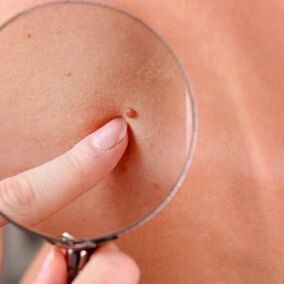
Some papillomas that appear on the body do not cause discomfort to a person, while others can grow, causing cosmetic defects and physical discomfort.In case of discomfort, the papilloma is always removed, but whether it is worth removing the formations if their appearance does not cause discomfort, you need to understand each case.
Cauterization with liquid nitrogen
The most acceptable way to remove papillomas is cauterization with liquid nitrogen or cryodestruction.The technique can be performed using a hardware method with cryoprobe or manually, which is most often practiced in beauty salons.
The use of the hardware cryodestruction technique requires special equipment.
Cryodestruction takes place in the following stages:
- In the preparatory stage, patients with a low pain threshold or a large area of papilloma growth are numbed with nitrogen in the affected area with local anesthetic solutions.In other cases, patients are advised to take any pain reliever orally 1 hour before the procedure.
- At the stage of direct freezing or cryodestruction, liquid nitrogen is applied to the area of the papilloma.At the same time, the validity period of 1 point is only a few seconds, so you can freeze up to 40 papillomas on the body in 5 minutes.Before cryodestruction, the patient is warned that tingling may occur at the site of application of nitrogen during freezing.
- In the final stage, the area of skin treatment with liquid nitrogen is disinfected with disinfectants.
The need for cryodestruction is determined in each case by the attending physician.If there is a risk that the papilloma will degenerate into a malignant formation, it must be removed.Factors influencing the need for cryodestruction are as follows:
- mechanical damage to the tumor;
- a reduced level of the patient's immunity;
- use of oral contraceptives;
- bad habits of the patient;
- localization of growths in places that are regularly damaged during life.
Cryodestruction is also indicated if the patient experiences aesthetic and physical discomfort due to the presence of the papilloma on the body.
The main contraindications to the use of the cryodestruction method are acute infections occurring in the patient's body, inflammatory processes of internal organs, atypical types of neoplasms, and pathological intolerance to cold.Possible complications after removing warts with liquid nitrogen include tissue scarring and pigmentation at the site of cryoprobe application.
Ointments and lotions
In pharmacies today, you can buy many special creams and ointments for removing papillomas in the most sensitive areas of the skin.
Ointments should be used to cauterize the formation only with complex therapy of the virus, which should be carried out using tableted immunomodulators and antiviral agents.
In this case, multivitamins do no harm, they improve the condition of the immune system and its readiness to produce antibodies to protect against the virus.
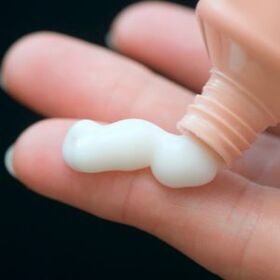
The most accessible ointment to combat papilloma is salicylic acid ointment, which has a keratolytic, bactericidal and restorative effect on the affected tissue.The preparation should be applied pointedly to the affected area, without damaging the surrounding healthy tissues, with the help of which they can be burned.
Ready-made solutions for removing papillomas can be found in any pharmacy.Body lotions should be prepared using such solutions, which leads to the death of pathogenic microflora in the skin area and eliminates the papilloma.
Surgical method
The surgical method of removing growths involves the physical removal of papillomas with a scalpel.
Removal surgery is recommended by doctors if the size of the tumor exceeds 3 centimeters.
During the procedure, the surgeon first disinfects the area around the growth and the growth itself with disinfectants, then performs manipulations with local anesthesia and begins direct excision of the tumor.After removing the papilloma, it is necessarily sent for histological examination to determine the oncological nature of its cells.2 weeks after the operation, the wound under the removed wart is completely closed and healed.
The main indications for papilloma surgery are:
- large formations, their deep and flat types;
- the need for urgent removal of the papilloma;
- malignant tumor of papilloma;
- inadmissibility of other methods for removing formations.
The main advantages of the classic excision of papillomas are the complete elimination of the problem in 1 operation, in this case the low probability of relapse, the safety of the manipulation, the absence of a large list of contraindications to the procedure and the price acceptable to most patients.
Disadvantages of surgical removal of papillomas include the appearance of a scar at the site of excision and sometimes a keloid scar, long rehabilitation after surgery, avoidance of ultraviolet exposure, and invasiveness of the procedure.Rarely, complications of the operation can also occur in the form of skin redness, itching, scarring at the incision site and increased body temperature.
Laser removal
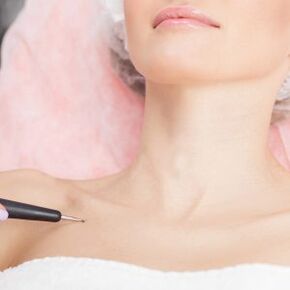
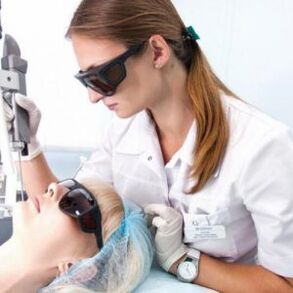
The gold standard of modern medicine in the removal of tumors is the laser removal of papillomas.Until recently, the removal of papillomas left scars, but today laser technology makes it possible to preserve the beauty of the skin without visible changes.
The basis of laser therapy for papillomas is vaporization, that is, the ability of the beam to cauterize the tissue and evaporate the life-giving moisture from its surface.The devices make it possible to dose the duration and intensity of the rays reaching the skin depending on the nature of the tumor.
The laser removal procedure itself consists of several stages:
- first, the doctor performs dermatoscopy and determines the type of laser to be used;
- the impact site is treated with local anesthetics;
- Laser removal takes a few minutes;
- at the end of the procedure, the exposure site is disinfected and a sterile bandage is placed on it, if contact with clothing in this area is possible;
- The patient performs wound rehabilitation outside the clinic.
After laser removal of papillomas, patients are prohibited from sunbathing, visiting swimming pools and spas, bathing or using any cosmetics on the scar area.
These restrictions are temporary and are agreed between the specialist and the patient before leaving the hospital.
Laser removal has a number of relative and absolute contraindications, which are determined in each case.Most often, the technique is not intended for diabetes, the presence of herpes, fever, influenza and ARVI, as well as diseases of hematopoietic organs.
Traditional methods
Herbs

Since ancient times, healers have used various herbal infusions to destroy all manifestations of papillomatosis.Many recipes have survived to this day due to their striking effectiveness and lack of negative effects on the body.
A popular folk remedy against HPV is wart tincture.With its help, you can get rid of formations on the entire surface of the body.The most important thing is to know exactly when and how to harvest the herb for medicinal purposes.
Wormwood must be collected in a specific way.The most useful parts of this herb are the leaves and flowers, but the thick stem is not suitable for tincture.Less commonly, it is recommended to remove the wormwood root from the soil for medical purposes.All the collected parts of the plant are washed and laid out on a flat surface to dry.During the drying process, the grass must be turned regularly to prevent it from drying out.Store the finished dried herb in a tightly closed, dry glass container.
Tincture prepared against ringworm papillomas not only gets rid of this problem, but also eliminates pathogenic microflora and will have a beneficial effect on the human stomach.
Tincture of papillomatosis lasts at least 2 weeks, after which the treatment is interrupted.All possible tinctures should be taken orally, 5 drops up to 6 times a day.
Wormwood tincture can be prepared with oil, alcohol or brandy.For the oil tincture, you will need 25 grams of wormwood seeds and 0.5 cup of olive oil.The seeds are ground in a coffee grinder and placed in a glass container scalded with boiling water.Cover the seeds with olive oil, mix everything together and cover with a lid.The mixture is infused for three days in a cool place, filtered and ready for use.
The alcoholic tincture is made from 100 grams of wormwood powder, plant leaves crushed in a blender and 0.5 liters of vodka.Everything is mixed and bottled for 10-14 days, then filtered and used as intended.The tincture should be stored in the refrigerator.
To prepare the cognac wormwood tincture, you will need 50 grams of crushed plant root and a glass of cognac.The ingredients are mixed and sent to a water bath for 30 minutes to evaporate.After that, the product is filtered and sent to a dark place for 5 days.
For the treatment of papillomas, you can also make an herbal infusion by mixing horsetail, lemongrass, dandelion roots, plantain and nettle in equal proportions (1 teaspoon).The mixture is crushed, then 3 tablespoons of herbs are poured into a liter of boiling water and boiled for 10 minutes over low heat.After the infusion is removed from the fire, it should be infused for several hours.
The finished tincture is used before meals, ¼ cup, for 7 days.The product strengthens the immune system, which in turn promotes the self-absorption of papillomas.
Baking soda for treatment
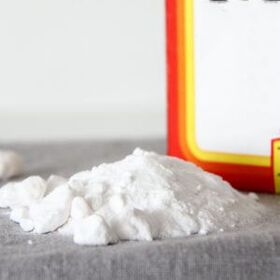
Baking soda has long been used as a home remedy for many skin problems, including papillomas.The specialty of soda is its ability to alkalize the acidic environment, which strengthens the immune system, removes toxins, and creates unfavorable conditions for bacteria and pathogenic microbes.As a result, viruses in the body stop multiplying and die.The disinfecting and disinfecting effect of soda is also known, which is also useful in the treatment of papillomas.Soda can soften the tissues, eliminate the symptoms and manifestations of the virus.Baking soda for the treatment of HPV is used internally, in the form of inhalation and topical lotions.
In order to prevent tumors from becoming malignant and tumors from becoming cancerous, some traditional healers recommend drinking a solution of soda in milk.It is made from 1 glass of warm boiled milk and ¼ teaspoon of soda.The solution is used three times a day, with each additional dose, the mass fraction of soda is slightly increased until its concentration in milk reaches 1 tablespoon.However, people suffering from pathologies of the gastrointestinal tract should not drink a milk-soda solution.
It is better to consult a doctor before using the prescription.
Soda-based inhalation is suitable as a gentler immunostimulating technique.For inhalation, boil 1 liter of water, add 3 teaspoons of soda to the boiling water, stir, bend over the pan, put a towel over your head so that the steam does not escape, and inhale the soda vapor until the water cools down.Inhalation is carried out several times a day for 5 days.
Laundry soap
Laundry soap has a drying effect on the skin - it sucks moisture out of it, which leads to dryness and gradual cell death.This feature is very useful when removing papillomas at home.The moisture in the cells of the neoplasm contributes to its vital activity, and if it stops, the wart dries up and falls off.
The most common way to treat papillomas with laundry soap is nightly application in the area of the tumor.After bathing, the area with the papilloma should be moistened and thoroughly rubbed with laundry soap without damaging the growth.
After applying the thick layer of soap, you have to wait for it to dry and you can go to bed.Wash off the soap with clean water in the morning and repeat the process in the evening.
Peculiarities of treatment for women
Damage to the internal and external genitalia

In modern medicine, the treatment of papillomatosis in women is carried out by various methods, but it is still impossible to completely remove HPV from the body.Therefore, all treatments are aimed at eliminating the clinical symptoms of the disease individually.
There are many similarities in the treatment of female genital HPV.The only difference is that in the case of tumors detected on the external genitalia, specialists can prescribe a type of immunomodulating agent, while in the case of HPV occurring on the internal genitalia (mucosa), stronger drugs are used to prevent the development of oncopathology.
Treatment of genital papillomatosis in women can be carried out by destructive and therapeutic methods.The appropriate method must be chosen by a specialist in each case.
Intraductal papillomas
Given that specialists classify intraductal papillomas as precancerous conditions of the mammary glands, their treatment is characterized by the use of only surgical methods.In the case of papillary cystadenoma, surgeons perform a sectoral resection of the mammary glands, removing the tissue with modified channels.This operation is performed through a periareolar incision, which allows the shape and size of the breast to be preserved in the future without mammoplasty.
If a woman is diagnosed with intraductal papillary cancer, radical mastectomy is used as treatment.
In order to prevent breast cancer, doctors recommend performing regular mammological examinations, treating mastopathy at an early stage, and paying close attention to dyshormonal and inflammatory pathologies of the female genital organs.
Treatment in men
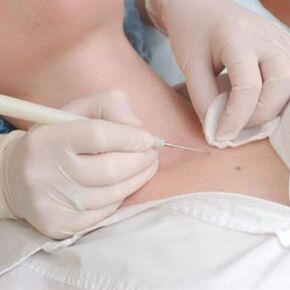
HPV treatment involving the manifestation of the male genital organs is carried out by medication and surgery.In this case, the goal of drug therapy is to suppress the virus, put it in a suspended state and strengthen the immune system.
Even small papillomas on the male genitalia do not disappear on their own, so they are usually removed surgically:
- by electrocoagulation using electric current;
- use of freezing with liquid nitrogen - cryodestruction;
- use of laser;
- with radiosurgery - a non-contact method based on the influence of radio waves of a certain frequency;
- cauterization method with special chemical solutions;
- traditional surgical excision with a scalpel;
- using ointments that can remove the growth.
The method of removing papillomas on the male genital organs is selected individually, depending on the characteristics of the course of the infection.Doctors recognize all of the above destruction methods as reliable and can be performed without general anesthesia.
What to do if the papilloma is damaged
If the surface of the papilloma is damaged, an inflammatory process may begin in the affected tissues.Externally, this is manifested in a change in the color of the growth, swelling, redness, burning and itching of the formation.From the wound, ichor begins to ooze, mixed with pus or a serous fluid, which has an unpleasant odor.If the immune system is in a satisfactory state, the place of tearing will soon dry up and no abnormality will be visible.Otherwise, however, there is a risk of developing a malignant tumor.
Severe trauma (burn, scratch, scratch) can provoke the spread of HPV to adjacent tissues and the growth of new formations.This process is even more prone to oncological degeneration.
If, nevertheless, the papilloma is damaged, a sterile bandage or cotton swab, previously moistened with a three percent hydrogen peroxide solution, should be quickly applied and this application should be maintained for at least 10-15 minutes.After the bleeding has stopped, the wound is treated with alcohol to disinfect the skin surface and prevent infection and fungus from entering the wound.In the absence of alcohol, disinfection is carried out with iodine or brilliant green, although these agents interfere with monitoring the condition of the wound in the future.
If significant bleeding occurs due to damage to the papilloma, an angioma lesion is diagnosed - the growth of benign blood vessels.Angioma damage is not dangerous;as a result of such pathology, oncology does not develop.
Where to go if you are sick
If you notice various formations on the skin, the first step is to consult a dermatologist.This doctor performs the necessary diagnostics, determines the type of virus and determines the patient's further measures.
Most often, dermatologists are of the opinion that the earlier the papilloma is removed, the lower the risk of developing dangerous consequences, but everything is individual.The dermatologist tells the patient which specialist should perform the removal and which technique is preferred in this case.The doctor also determines the further treatment regimen, after which a surgical consultation is possible.
If papillomas occur in the genital area, you should consult a dermatovenerologist.If the formations are localized in the anus, the proctologist treats such pathology.In the case of papillomas on the mucous membrane of the otolaryngological organs or in the oral cavity, the patient is referred to an otolaryngologist.In men, papillomas of the genital organs are treated by a urologist or dermatovenerologist, and in women by a gynecologist.